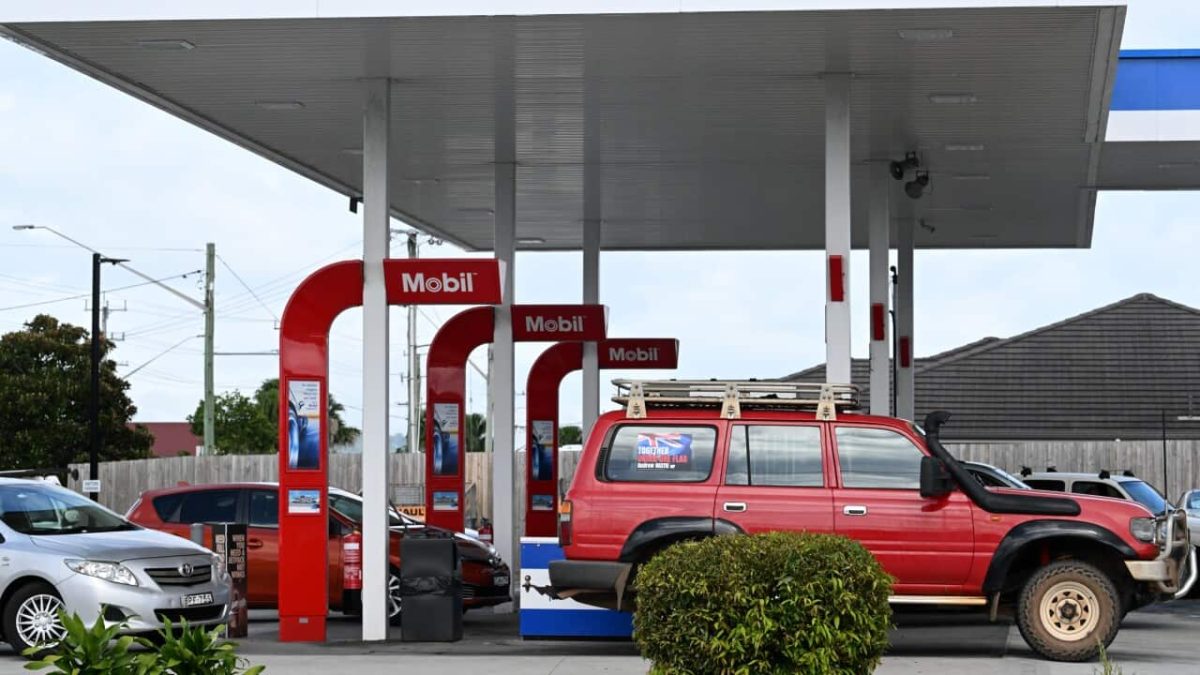
Petrol prices have Australians checking their bank accounts at the bowser, yet a fuel alternative costing less than 80 cents a litre remains largely ignored. It’s not a new technology. It’s not experimental. So what’s really stopping drivers from making the switch?
Liquefied petroleum gas—LPG—has been around for decades, and it’s cheaper than both unleaded and diesel at most Australian service stations. The maths should be compelling. Yet fewer cars on Australian roads run on this fuel than ever before, and the infrastructure supporting it continues to shrivel.
What Exactly Is LPG and How Does It Work?
Liquefied petroleum gas is a byproduct of crude oil refining and natural gas processing. It exists as a gas at room temperature but becomes liquid under modest pressure, making it ideal for storage in vehicles. Inside a car, the fuel vaporizes and enters the engine just like petrol, producing similar power and performance.
Most Australian vehicles running on LPG use dual-fuel systems, meaning they can switch between petrol and gas at the flick of a switch. This flexibility has historically been LPG’s greatest selling point—drivers get the security of a backup fuel source.
- ➡The Surprising Superpower of Saying “Please” and “Thank You” Revealed
- ➡The Surprising Secret to Baking Perfection: Consistency is Key
- ➡Discover the Fragrant Ground Cover That Repels Mosquitoes and Replaces Grass!
- ➡The Spill-Free Superpower You Can Master in Seconds
- ➡You Won’t Believe What TESS Discovered About Red Dwarf Planets!
- ➡Rescued Kittens’ Incredible Transformation: From Trembling Balls of Fur to Playful Indoor Cats
- ➡The Shocking Truth About Why You’re Always Tired (Even After a Full Night’s Sleep)
- ➡The Shocking Trick That Melts Ice From Your Car’s Windscreen (And 4 More You Won’t Believe!)
The conversion process involves installing a separate fuel tank, a regulator, and injection equipment. Modern conversions are cleaner and more sophisticated than older systems, with computer-controlled delivery that matches engine requirements precisely.
| Fuel Type | Average Price (per litre) | Tank Range (km) | Emissions Level |
|---|---|---|---|
| Unleaded Petrol (91 RON) | $1.45–$1.65 | 500–600 | Standard |
| Diesel | $1.50–$1.70 | 700–900 | Standard |
| LPG | $0.75–$0.85 | 300–450 | Cleaner |
| Electric | $0.15–$0.25 (per kWh) | 200–500 | Zero tailpipe |
The Economics: Why Cheap Fuel Isn’t Enough
The initial conversion cost is the first barrier. Converting a petrol car to dual-fuel LPG typically costs between $3,000 and $5,000, depending on the vehicle and quality of installation. For buyers looking at purchasing a new car, this upfront expense is significant.
However, the fuel savings can offset this investment. A typical driver using LPG could save $2,000 to $3,000 annually compared to petrol. Over five years, that’s substantial. Yet most car buyers don’t think in those long-term cost-benefit terms—they react to the sticker price.
- ➡Shocking Secrets of the French Foreign Legion’s Elite 13th Half-Brigade Exposed!
- ➡Shocking Discovery: Why Tennis Balls are Putting Your Dog’s Dental Health at Risk!
- ➡The Shocking Truth: How a Cutting-Edge Brain Treatment Cured 30 Years of Crippling Depression
- ➡Landlords Facing Unexpected Rent Hikes: Thousands Owed Under Old Leases
- ➡Shocking Discovery: Giant Insects Prove Scientists Have Been Wrong About Evolution All Along!
- ➡Shocking Trick Restores Yellowed Plastic Furniture to Pristine Shine – You Won’t Believe the Secret Ingredient!
- ➡Unbelievable Footage Reveals Turkey’s Shocking Drone Takedown That Shattered Military Conventions Forever
- ➡The £299 Oil That Erased My Under-Eye Bags Overnight – You Won’t Believe the Results!
“The economics of LPG work brilliantly on a spreadsheet, but psychology works against it at the dealership,” says transport analyst Dr. Marcus Webb from the Australian Motoring Institute. “Consumers see a $5,000 conversion cost and don’t mentally calculate the savings. They see the extra expense first.”
Fuel economy is another complication. LPG engines typically consume about 10–15% more fuel by volume than petrol engines, meaning the per-kilometre advantage isn’t quite as dramatic as the price difference suggests. A litre of LPG also contains less energy than a litre of petrol.
How Australia’s Car Manufacturing Collapse Sealed LPG’s Fate
Until the early 2000s, LPG had serious momentum in Australia. Local manufacturers Holden and Ford offered factory-equipped LPG models straight from the production line. Taxis, delivery vehicles, and fleet operators embraced the technology. LPG was distinctly Australian.
Then everything changed. Holden ceased Australian manufacturing in 2017, Ford followed in the same year, and Toyota wound down local production in 2019. The local automotive industry collapsed almost entirely. With it went factory-supported LPG options.
- ➡Shocking Secrets of This French Construction Giant’s Stealth Takeover in Germany
- ➡The Shocking 500-Ton French Nuclear ‘Colossus’ Headed to Power the UK’s Future
- ➡The Surprising Secret Behind the Solitary: Unlocking the Hidden Superpower of Introverts
- ➡Pensioner Faces Massive Tax Bill After Gifting Land to Daughter – A Moral Dilemma Dividing the Nation
- ➡You Won’t Believe What This French Warship Is Doing Across the Atlantic!
- ➡Discover the Buzzing Sensation: Lemon Balm’s Fragrant Allure and Mosquito-Repelling Powers
- ➡Goodbye to Blackened Grout: The Quick Hack (No Vinegar or Bleach) for a Spotless Tiled Floor
- ➡Unbelievable Secret Treasure Trove Discovered: How It Could Rewrite History Forever
This wasn’t coincidental timing. The rise of imported vehicles from manufacturers with no investment in LPG infrastructure meant new cars simply didn’t come with LPG capability pre-installed. Buyers had to arrange retrofitting themselves—an added hassle that most didn’t bother with.
“When you could buy a Holden Commodore with LPG from the showroom, it was mainstream,” recalls automotive historian Jennifer Park. “Once imports dominated, LPG became a niche modification. The psychology shifted overnight.”
The Electric Vehicle Problem: A Faster Alternative
LPG’s biggest competitor isn’t diesel or petrol—it’s electricity. Electric vehicles have become genuinely viable in Australia over the past five years, with improving range, falling prices, and growing charging infrastructure. Where LPG offered the promise of cheap motoring, EVs now offer something more compelling: no fuel costs at all, in some cases, and government incentives.
A new EV might cost more upfront than a petrol car, but many state governments offer purchase rebates. Federal tax incentives have existed. Electricity costs per kilometre are roughly one-quarter to one-third the cost of LPG.
- ➡Shocking Discovery: Fecal Transplants Could Cure Diabetes and Heart Disease
- ➡The Shocking Twist in Algeria’s National Team: Zinedine Zidane’s Unexpected Comeback
- ➡The Nighttime Bathroom Epidemic: Shocking Truths Specialists Won’t Tell You
- ➡The Shocking Truth About Showering After 60 – Doctors Reveal the Ideal Frequency!
- ➡The Secret Power of Coffee: How an Everyday Stimulant Could Revolutionize Targeted Therapies
- ➡The Shocking Truth About Why You Should Always Open Windows After Showering (And Ignore Those Extractor Fans!)
- ➡Shocking Secrets Unveiled: OpenAI’s Groundbreaking AI Home Devices You Need to Know About
- ➡The Shocking Return of Sarah Mitchell: 5 Years Missing and Her First Words Will Shake You to the Core
For environmentally conscious drivers, EVs also eliminate local air pollution entirely. LPG is cleaner than petrol, but it’s not zero-emission. As climate considerations weigh more heavily in purchase decisions, LPG’s environmental benefits look increasingly inadequate.
The charging network, while still expanding, is improving faster than LPG station networks are shrinking. This creates a perception spiral: fewer LPG stations means fewer people buying LPG cars, which means less incentive to operate LPG stations.
| Metric | LPG | Electric Vehicle |
|---|---|---|
| Fuel stations in Australia (2024) | ~1,400 | ~2,000 public chargers |
| Annual running cost | $1,500–$2,000 | $400–$700 |
| Government rebates available | None | Yes (varies by state) |
| Refuelling time | 5 minutes | 30 mins–8 hours |
| Vehicles available | Used retrofits primarily | 100+ new models |
“LPG was always positioned as a budget option for cost-conscious drivers,” explains energy economist Dr. Rachel Chen from the University of Melbourne. “But EVs are becoming competitive on cost now while offering benefits LPG simply can’t match. LPG got caught in the middle—too cheap to seem aspirational, too limited to seem practical.”
Also Read
- ➡The Secret Superpower You Never Knew: How Shopping Lists Can Revolutionize Your Life
- ➡Shocking Discovery Beneath an Unassuming French Château: Unearthing a Forgotten Medieval Tunnel Network
- ➡The Shocking Truth About Lidl’s “Miracle” Heater That Could Drain Your Wallet
- ➡You Won’t Believe the Shocking Colossal Waves Satellites Just Discovered in the Depths of the Ocean
- ➡Shocking Discovery: The Underwater Train That Will Change the World Forever
- ➡Is This “Fountain of Youth” Hair Treatment the Solution to Graying Hair or a Dangerous Scam?
- ➡The Shocking Secrets of France’s Elite Military School: How to Crack the Code and Secure a Coveted Spot
- ➡The Incredible Journey of a Teenage Cancer Warrior and His Faithful Therapy Dog – A Story of Hope and Resilience
The Infrastructure Death Spiral
In 2010, Australia had approximately 2,400 LPG service stations. Today, that number has fallen below 1,500 and continues declining. Each closure makes LPG less convenient, which discourages new buyers, which leads to more closures. It’s a self-reinforcing downward cycle.
Regional Australia has been hit hardest. Some regional towns that once had LPG pumps now have none. For rural drivers, this makes LPG impractical regardless of price advantage. Urban drivers, meanwhile, might find stations closing near their homes or workplaces.
Unlike petrol or diesel, LPG requires specialized equipment at service stations—separate tanks, regulators, and delivery infrastructure. As demand falls, operators close unprofitable locations, disproportionately affecting smaller towns first.
This creates a cruel catch-22: LPG is cheap because demand is low, but demand stays low because the infrastructure isn’t convenient. Reversing this trend would require either massive capital investment or deliberate government policy support. Neither seems forthcoming.
- ➡Discover the Unsung Hero: China’s Antarctic Plane That’s Transforming the Frozen Continent
- ➡The Shocking Love Graffiti Discovered in Pompeii: A 2,000-Year-Old Secret Revealed
- ➡The Uncomfortable Truth About Sustainability: How Green Taxes Spark a Class War Over Who Pays for Climate Action
- ➡Discover the Revolutionary Moulinex Cookeo Cookers That Will Transform Your Kitchen in 2026
- ➡The Shocking Truth About NASA’s Crumbling Space Station – You Won’t Believe What’s Next!
- ➡Discover the Life-Changing Secrets of Rosemary – You Won’t Believe What It Can Do!
- ➡The Shocking Truth About Why Loud Noises Make You Cringe – You Won’t Believe What Your Body Is Telling You!
- ➡Breakthrough Pill Slashes Sleep Apnea Symptoms by Nearly 50%
Government Policy: The Missing Catalyst
Unlike some countries, Australia has largely abandoned active support for LPG adoption. Tax incentives have expired. No major government campaigns promote LPG as an alternative fuel. Policy makers have effectively decided the future belongs to electricity, not liquefied gas.
This makes strategic sense given climate targets and technology trends. LPG remains a hydrocarbon fuel, ultimately a bridge technology rather than an end-state solution. Investing government resources in building LPG infrastructure when EVs are the stated priority seems backward-looking.
However, this policy shift happened without any replacement support for cost-conscious drivers who can’t afford new electric vehicles. LPG served that function—it was the affordable option for people priced out of new cars. As LPG fades, that option disappears.
“Government policy has been to let LPG naturally decline while transitioning to EVs,” notes transport policy researcher David Thompson from the Institute of Australian Studies. “But natural decline leaves a gap for lower-income drivers. That gap isn’t being addressed.”
Also Read
- ➡Shocking Trick Keeps Robins in Your Garden Forever – You Won’t Believe What Happens Next!
- ➡The Shocking Truth: How Clutter Is Hijacking Your Focus (And What to Do About It)
- ➡Shocking New Job: Brave Couriers Climb China’s Towering Skyscrapers to Deliver Meals to the Highest Floors
- ➡The Shocking Truth About Healthy Bread: Experts Reveal When to Choose Whole Grain or Rye
- ➡The Shocking Reason Why Towns are Banning Gravel Driveways (And Demanding Removal!)
- ➡The Dirty Secrets Restaurants Don’t Want You to Know: 5 Dishes You Should Avoid
- ➡The Forgotten Bathroom Miracle That Makes Toilet Seats Sparkle Like New
- ➡Rafale Fighter Jet Deal: France Loses Billion in Last-Minute U-Turn
Why Some Australians Still Choose LPG
Despite all these headwinds, LPG devotees remain. Taxi operators and fleet managers still value the fuel for its economy and reliability. Long-distance drivers occasionally convert vehicles to LPG specifically for rural driving. Some regional communities maintain LPG stations primarily to serve these committed users.
For people buying used cars, LPG conversion remains a sensible option if they keep vehicles for 5+ years and can find a reliable mechanic experienced with the technology. The savings really do add up over time, particularly for high-mileage drivers.
Environmental consciousness, too, plays a role for some LPG users. The fuel produces fewer emissions than petrol, particularly lower particulates and nitrogen oxides. It’s not clean enough to excite climate campaigners, but it’s noticeably better than conventional combustion.
The psychological factor matters, too. For some drivers, LPG represents Australian self-reliance and practical economy—values that resonate beyond pure financial calculation. These drivers tend to be older, more loyal to the technology, and less swayed by EV marketing narratives.
- ➡3 Genius Rosemary Hacks You Never Knew You Needed
- ➡The Shocking Truth: Why Perfectly Clean Is Overrated and “Clean Enough” Is the New Standard
- ➡The 6-Minute Cardio Workout That Leaves Running in the Dust
- ➡Ryanair’s Mega-Deal Unlocks Safran’s Secret Cash Cow – The Shocking Truth Exposed!
- ➡The Secret to the Perfect Salmon Terrine That Has Everyone Begging for the Recipe
- ➡The Shocking Truth About Bargain-Bin Wines: Producers’ Dirty Little Secret Exposed
- ➡Shocking Miracle Cure! Coca-Cola Shocks Doctors by Curing Woman’s Mysterious Illness in 24 Hours
- ➡Shocking Airbus Superplant Unveiling: The Stealth Takeover of the Helicopter Industry
The Uncertain Future: Can LPG Survive?
Short answer: not as a mainstream fuel. The conditions that made LPG viable in Australia—cheap local production, local manufacturing support, cost-conscious car-buying culture—have all shifted or disappeared. Technology has moved on. Younger drivers see no reason to adopt LPG when EVs exist.
But niche survival is entirely possible. LPG could persist in regional areas, for fleet operators, and among devoted enthusiasts. Some developing countries are investing heavily in LPG infrastructure even as Australia winds down—it’s not that the fuel is inherently obsolete, just that Australia’s specific circumstances no longer favor it.
A reversal would require government intervention: direct subsidies, tax breaks, mandatory LPG pumps at new service stations, or something comparable. The political will for this doesn’t exist, particularly when climate policy points toward electrification.
The more interesting question isn’t whether LPG survives, but whether Australia’s transition to EVs actually serves lower-income drivers effectively. If it doesn’t, we may eventually regret letting LPG infrastructure collapse—but by then, rebuilding it would be prohibitively expensive.
- ➡I Tried Nivea’s Iconic Blue Cream on Half My Face – You Won’t Believe the Dramatic Results!
- ➡Shocking Winter Window Trick Stops Condensation for Good (You Won’t Believe How Easy It Is!)
- ➡You Won’t Believe How Germany’s Cybercrime Fighters Are Stopping Hackers in Their Tracks!
- ➡The Shocking Reason Why Fast Walkers Are Actually More Anxious (Not Healthier!)
- ➡Unlocking the Secrets of France’s Massive Hydrogen Treasure: Is an Energy Jackpot Hiding in the East?
- ➡The Surprising Health Benefits of Coffee: Experts Reveal the Truth
- ➡The Hidden Superpowers of People Who Say “Please” and “Thank You” Every Day
- ➡The Surprising Kitchen Waste That Makes Strawberries Bigger and Juicier
FAQs
Is LPG safe to use in cars?
Yes, LPG has an excellent safety record when properly installed and maintained. Modern systems include multiple safety features. The fuel is less flammable than petrol and has been used safely in millions of vehicles worldwide for decades.
Can any car be converted to LPG?
Most petrol cars can be converted, though some modern vehicles with complex engine management systems present challenges. Diesel conversions are more complicated and less common. It’s best to consult a specialist before assuming your vehicle is suitable.
How much does LPG conversion cost?
Typically between $3,000 and $5,000 for a quality dual-fuel conversion. Budget systems cost less but may be less reliable or efficient. Always choose an experienced installer with proper certification.
Will I lose boot space with an LPG tank?
Usually yes—the LPG tank takes space, typically 40–60 litres for a standard vehicle. This means less room for luggage or cargo. Some people install tanks under the vehicle, but this requires careful engineering.
- ➡Shocking New Math Proof Shatters 2,000-Year-Old Beliefs!
- ➡Unlock the Feathered Frenzy: How a Surprising Treat is Revolutionizing Winter Birding
- ➡The Shocking Truth About Why People Willingly Sacrifice Their Freedom for Corporate Paychecks
- ➡The Stealth Fighter Jet That’s Quietly Reshaping Air Superiority Across the Globe
- ➡The Surprising Truth About Short Hair – It’s Not As Easy As You Think
- ➡Shocking Surge in French Exports to Little-Known Chinese Province Leaves Beijing and Shanghai in the Dust
- ➡Shocking Discovery: Polar Vortex Chaos Isn’t As Rare As You Thought
- ➡The Shocking Truth About Why You’re Wasting Too Much Laundry Detergent (and How It’s Damaging Your Clothes)
How many LPG stations are there in Australia now?
Approximately 1,400–1,500, down from about 2,400 a decade ago. Numbers continue declining. Coverage is reasonable in major cities but sparse in regional areas.
Does LPG damage engines?
No, not with proper installation and maintenance. LPG can actually run cleaner than petrol in many cases. However, poor quality installations or neglected maintenance can cause problems. Always use qualified mechanics.
Can I claim tax deductions for LPG conversion?
For personal vehicles, generally no. Business or fleet vehicles might qualify depending on your tax circumstances and state. Consult an accountant for your specific situation.
How much fuel economy does LPG deliver?
LPG engines typically use 10–15% more fuel by volume than on petrol, but because LPG is cheaper per litre, you still save overall. Per-kilometre efficiency depends on your driving patterns and vehicle.
- ➡This 200-Story Tower Was Built in 90 Days—Here’s How
- ➡Family Betrayal Leaves Retired Farmer Destitute: A Tale of Greed, Deception, and a Legacy Lost
- ➡Psychology Says People Who Doodle During Meetings Are Smarter Than You Think
- ➡Shocking Discovery: A Nuclear Reactor 1,800 Meters Beneath the Heartland
- ➡Caribbean Island Calls on Paris for Help: Mega-Project to Save Drinking Water
- ➡The Surprising Power of Silence: How One Simple Habit Can Transform Your Conversations
- ➡The Shocking Truth Behind Your Daily Makeup Routine: Why Your Skin Is Secretly Suffering
- ➡The Shocking New Contender Challenging Boeing and Airbus in the Jet Market – You Won’t Believe Who It Is!
Are new cars sold with LPG?
Very rarely in Australia now. No major manufacturers offer factory LPG conversions. You must retrofit an existing vehicle or buy a used LPG-converted car.
Is LPG better for the environment than petrol?
Yes, modestly. LPG produces lower emissions of particulates, nitrogen oxides, and some other pollutants. However, it still emits CO2, so it’s not carbon-neutral. EVs are cleaner from an environmental perspective.
Can LPG cars tow caravans and trailers?
Yes, but you lose boot space to the LPG tank, which might affect your overall towing capacity. Check with your installer and vehicle manufacturer about safe towing limits.
Should I convert my car to LPG today?
It depends. If you’re keeping your car 5+ years, drive high mileage, live near LPG stations, and want to minimize fuel costs, it makes financial sense. If you’re considering a new car purchase, an EV is probably a better investment for the long term.
- ➡The Secret Behaviors That Reveal Someone Deeply Misses Their Close Friends
- ➡Forget the Canaries: This Mediterranean Island Is the New March Hot Spot for 2026
- ➡Discover the Shocking Secret to Washing Broccoli and Eliminating Worms and Pesticides Completely!
- ➡Unbelievable Historical Novels That Will Transport You Through Time
- ➡Shocking Meat Recall Hits French Stores: What You Need to Know
- ➡The Shocking Truth About How Starlink Is Transforming Your Smartphone Forever
- ➡Shocking New Blood Pressure Standards: Doctors Divided and Patients Uneasy
- ➡Tiny Mole Discovered in Vietnam Mountains After Decades in Hiding



